
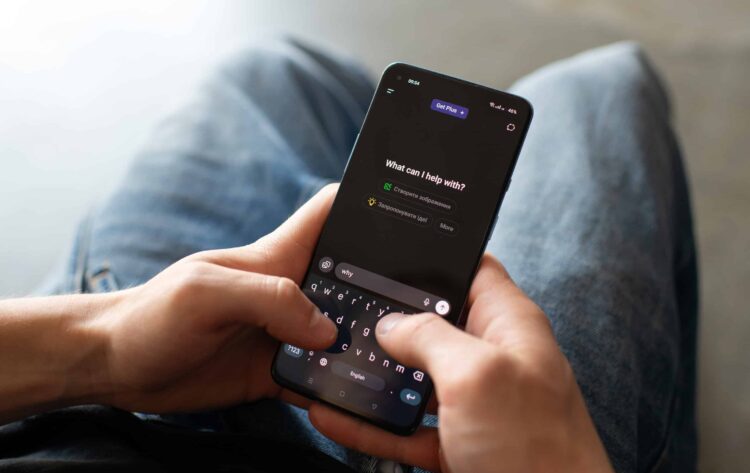
Why Students Turn to AI When Facing a Title IX Investigation
Instead of calling mom and dad, students turn to ChatGPT or other AI tools to solve their problems. It’s hard for parents to understand that those digital natives tether themselves to their phones, thinking that all answers can be solved with a quick query. Ironically, many answers can be found by using AI. So, it’s not surprising that when a student is either a complainant or respondent in a Title IX allegation or campus misconduct investigation, the first instinct is to consult AI on how to participate in a Title IX process.
What could possibly go wrong? Can’t AI serve as a student advisor or lawyer to a student involved in a Title IX action? After all, couldn’t AI help draft a complaint or response or provide emotional feedback during the process?
At least for today, the answer is that a student still needs a trained advocate to advise the student during a Title IX investigation or hearing process. ChatGPT has not replaced a human being.
And here’s why:
1. Only a human being can prepare a student for their first interview. Whether a student is a complainant or respondent in a Title IX action, the first interview sets the tone of the case. Helping a student prepare for a hearing takes time, patience and practice. Students are so used to typing away that many struggle to tell their story in an organized, coherent fashion. Skilled advisors force students to talk and respond to difficult questions with calmness and clarity.
2. Only a human being can listen to a student and make sure that the student remains consistent each and every time the student recounts what occurred in the case. Attorneys and advocates understand that consistency is key to bolstering credibility during a Title IX investigation or hearing.
3. Only a human being, through years of experience, can understand that each investigator can have a different style and that the student must be prepared to handle the unexpected. Each university Title IX investigator examines a student differently. Some pose questions in a very open ended fashion. Some guide the investigation of the student through detailed questions more akin to a police investigation. Students must be prepared to handle whatever style is thrown at them. Effective advisors conduct “mock” interviews that help students get ready for any style.
4. Only a human being understands how to navigate a student through a difficult range of emotions that impact mental health and overall functioning. A computer cannot provide human comfort or support. Good advisors cheer their students on. If they notice that a student is struggling, the advisor will recommend that the student get help fast. We can suggest resources, such as therapy and coaching.
5. Only a human being knows how to level with a student and provide options. The most difficult aspect of an advisor’s job is being honest with a student about the strengths and weaknesses of a case. While we want all our clients to get exactly what they want, it’s totally unrealistic to expect that result all of the time. Sometimes, the evidence just doesn’t provide enough support for a position. When that happens, it’s up to the advisor to be honest and establish realistic expectations of consequences and options.
6. Only a human being will go the extra mile and dig out the best evidence for a case. While AI can look at documents, only an advisor will do a site visit, interview witnesses, and think about hiring outside experts to help a case. We have used toxicologists, polygraph examiners, bruising experts, and SANE nurses (just to name a few) to explain evidence in a case.
7. Only a human being will navigate parallel processes. Students experiencing a Title IX complaint may also have to manage other proceedings. We have helped students navigate civil suits, criminal proceedings, as well as ROTC and Greek organizations proceedings. We know that Title IX proceedings can also be only one type of process that could impact a case.
8. Only a human being can conduct cross-examination at the hearing. After the investigation is completed, colleges then schedule a live hearing. Students are entitled to an advisor to conduct cross-examination of witnesses. As of today, only a live person can perform this skill. These advisors must maneuver through testimony, making in-the-moment decisions about when to dig deeper into questions or quit while they are ahead. This takes an advisor who is nimble and experienced.
9. Only a human being knows when to object throughout the process. Most colleges get it right, but not always. When an institution is not following its policy, a skilled advisor will draft objections to ensure that their students are receiving an impartial, unbiased and fair Title IX process.
10. Only a human being understands the emotional impact of a good opening and effective closing argument. We work hard helping our students tell their story during opening statements. More importantly, we attend the hearing and take notes to assist the student during the closing argument. Closing arguments are the last word. As of now, it takes a trained professional to listen to testimony from witnesses and know what must be stated in a strong closing statement.
AI Can Assist, But It Cannot Replace a Title IX Advisor
We are not knocking the use of AI as a tool. AI can assist in preparing hearing outlines and even questions for cross-examination. However, a computer will never expect the unexpected. We’re ready for the human twists and turns, and as of today, when it comes to navigating a Title IX investigation or campus misconduct allegation, students still need real advocates, real strategy, and real human judgment.
AI can offer information, but a human can protect your future. Contact us today for a confidential consultation.
P.S.: In the interest of full disclosure, this article was written by a real human, not artificial intelligence.